
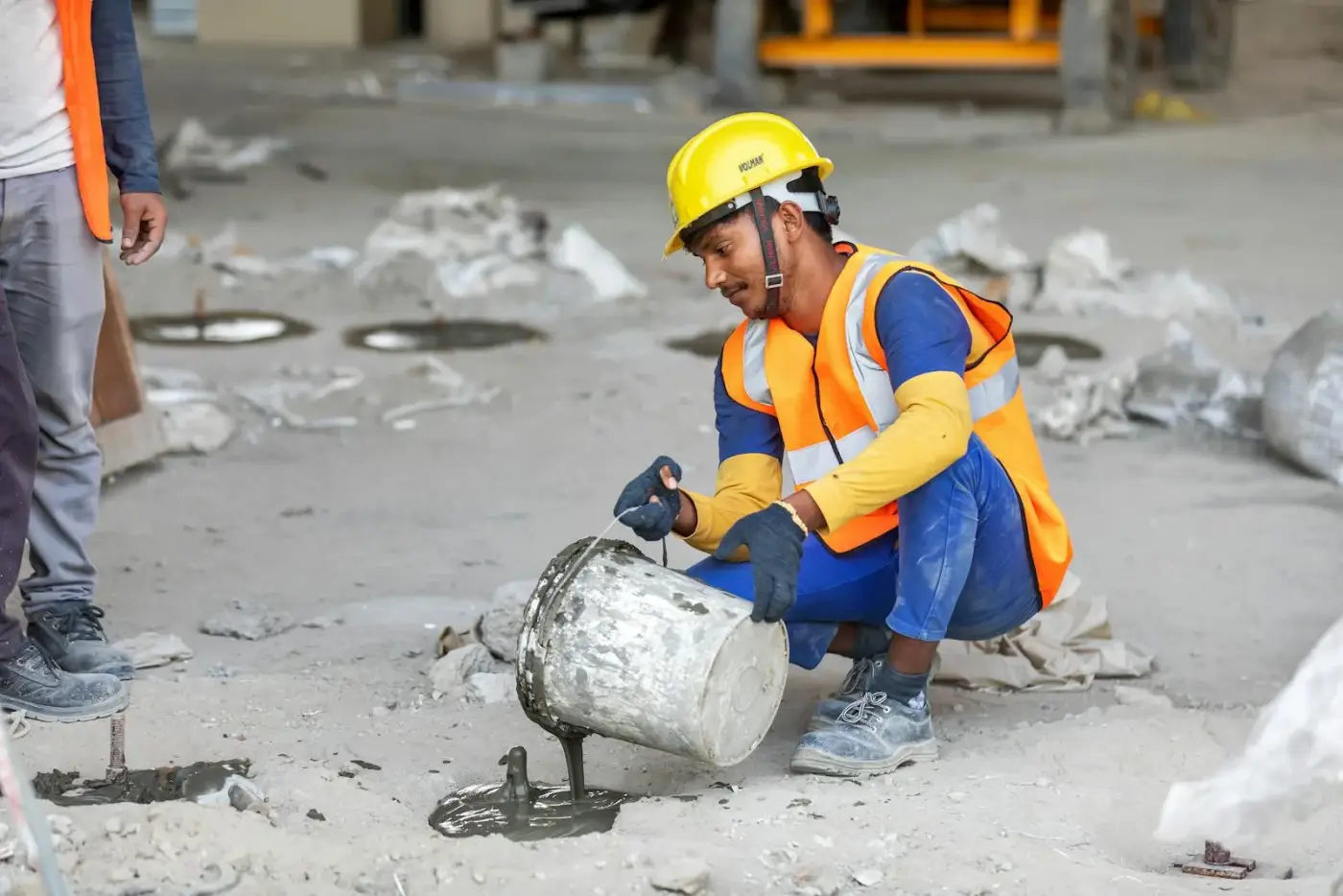
A concrete bid in Pittsburgh prices three battles: the pour itself, the hillside it happens on, and the forty freeze-thaw cycles a year that will attack the result. Understanding which line items fight which battle makes any estimate legible.
The pour: volume plus the right mix
Four inches is standard flatwork, five to six for vehicles, and around here the mix spec matters: air-entrained concrete — microscopic bubbles that give freezing water somewhere to expand — is the difference between a driveway that shrugs off winter and one that scales by year three. 4,000 PSI air-entrained is the local gold standard, and the bid should say so.
The ground: base, drainage, and hills
Allegheny County clay holds water, water freezes, and frozen base heaves slabs — so base depth (4 to 6 inches of compacted stone) and drainage are not padding, they are the job. Sloped lots add formwork, steps, and sometimes pumping charges that flat-city estimates never see.
Old-slab demolition and haul-off price by weight, and Pittsburgh's older pours often hide 8-inch-thick surprises from a more generous era.
The finish and the joints
Broom finish grips through winter; stamped work costs more and demands sealer discipline in this climate. Control joints cut on schedule — same day or early next — decide where winter cracks land. Reinforcement (mesh or rebar) is cheap by the foot and priceless by February.
Comparing bids that look far apart
Line up PSI, air entrainment, base depth, reinforcement, and joint plan. In this climate the corner most often cut is the mix spec — and it is invisible on pour day, obvious after the second winter, and unfixable in between.
Before you sign anything
Get the mix spec in writing — PSI and air entrainment — plus base depth and the joint plan. Pittsburgh's climate punishes the invisible corners hardest, and those four lines are where they hide.
And ask when they cut joints. 'Same day or first thing next morning' is the answer of a crew that has watched winter work.
