Skip to content
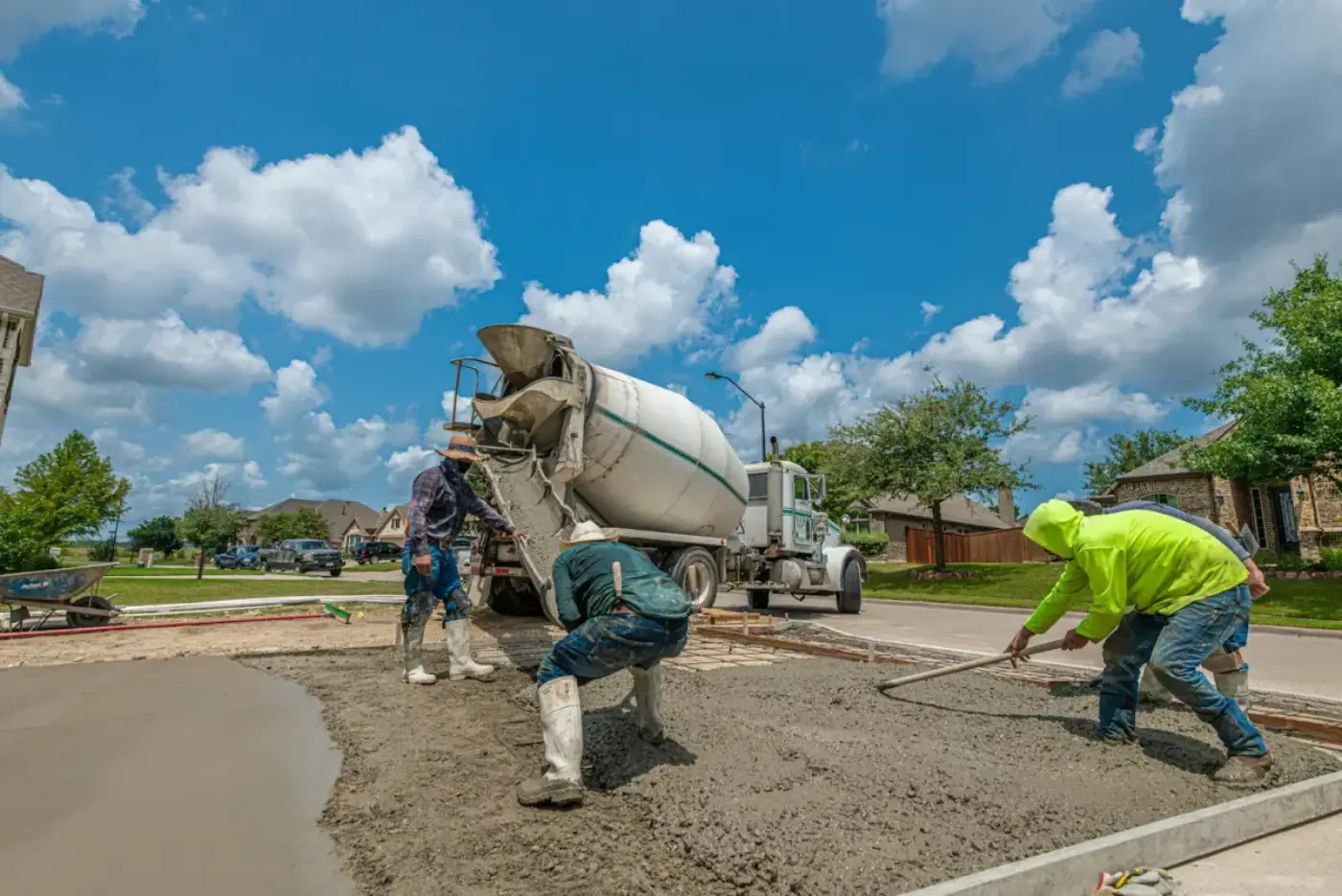
Pouring a new concrete driveway from the mixer truck

Concrete Slab Repair

Repairing Sunken Concrete Slabs in Pittsburgh

Is a sunken concrete slab causing a trip hazard or pooling water on your Pittsburgh property? Settled slabs can detract from your home's appearance and functionality.

Solutions are available for sunken patios, walkways, and driveway sections, including methods to lift, level, or replace concrete that has lost its support.

What Causes Concrete Slabs to Sink?

Concrete slabs often sink due to soil erosion, poor soil compaction during installation, or water runoff undermining the base. In Pittsburgh's climate, freeze-thaw cycles can exacerbate these issues, causing voids beneath the slab. Heavy loads or tree roots can also contribute to settling over time.

Understanding Slab Settling

When concrete slabs sink, it's usually because the ground beneath them has shifted or eroded. This can happen gradually or suddenly, creating noticeable dips. Common culprits include heavy rainfall washing away soil, changes in soil moisture content, or inadequate support during the initial pour. Addressing this promptly can prevent further damage.

Repair Options for Sunken Slabs

Several methods can address sunken concrete. Mudjacking (or slab jacking) involves pumping a grout mixture beneath the slab to lift it. Polyurethane injection is another option, using expanding foam for lighter lifting and sealing. In some cases, if the damage is severe or the slab is beyond repair, replacement might be the most effective long-term solution.

When to Consider Replacement

If your sunken slab has extensive cracking, significant tilting, or widespread surface damage, repair might not be the best investment. Replacement ensures a completely new, stable base and surface. This is often the case for very old slabs or those with structural integrity compromised by prolonged settling and water intrusion.

Preventing Future Settling

Proper drainage around your concrete slabs is crucial. Ensure water is directed away from foundations and paved areas. Maintaining the soil around your concrete, avoiding over-saturation, and addressing any leaks from plumbing can help prevent the conditions that lead to settling. Regular inspections can catch issues early.

Before You Repair a Sunken Slab

  • Identify the exact location and extent of the sunken area.
  • Determine if water is pooling or draining improperly around the slab.
  • Check for underlying causes like utility lines or tree roots.
  • Assess the overall condition of the concrete surface.
  • Consider if the slab is a trip hazard or affects property drainage.
  • Verify any permits required for significant concrete work.
  • Understand the long-term implications of repair versus replacement.

Related Concrete Slab Services

Explore other concrete services that can enhance or repair your property's surfaces, ensuring durability and aesthetic appeal throughout Pittsburgh.

Common Questions About Sunken Slabs

Can sunken concrete be lifted?

Yes, sunken concrete slabs can often be lifted using methods like mudjacking or polyurethane injection. These techniques fill voids beneath the slab to raise it back to its original level.

How long does slab jacking last?

The longevity of slab jacking depends on the original cause of settling and the quality of the work. Properly done, it can provide a stable repair for many years, but underlying soil issues may eventually cause re-settling.

Is sunken concrete repair expensive?

The cost varies based on the size of the slab, the method used, and the complexity of the repair. Lifting is often less expensive than full replacement, but replacement may be more cost-effective long-term if the slab is severely damaged.

What if my slab is cracked and sunken?

If a sunken slab is also significantly cracked, repair might be less effective. Extensive damage may necessitate complete removal and replacement to ensure a durable and safe surface.

Call Now (412) 314-8034